Who it helps
Hardware startups, product founders, product managers and sourcing teams that need a clearer path from idea or sample to production-ready decisions.

From rough product brief to manufacturable design direction, prototype learning, DFM review and supplier-ready next steps for hardware teams.
Start here. Self-select by stage and land on a more relevant project review path.

Clarify product goal, users, constraints and the smallest useful first development step.
Request idea review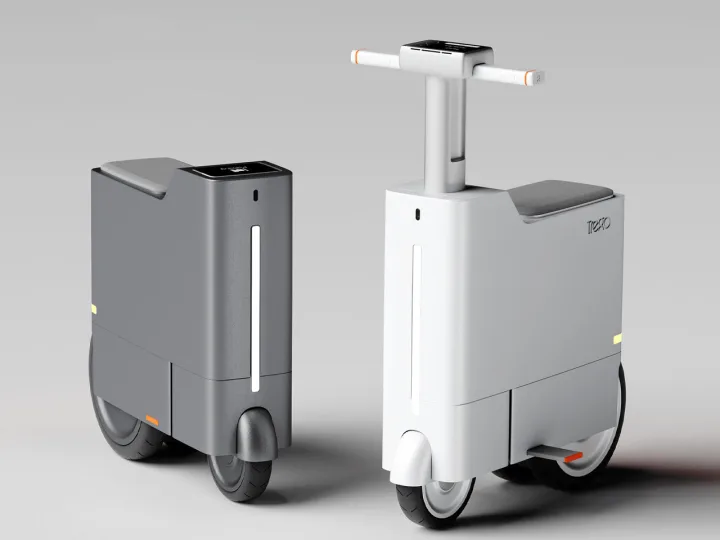
Turn market, use-flow and brand requirements into a practical concept path.
Request concept review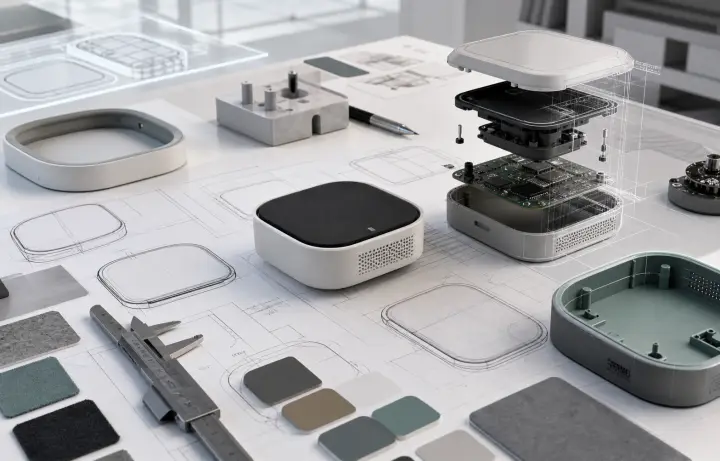
Review structure, assembly logic, tolerances and supplier handoff risk before more spend.
Request file review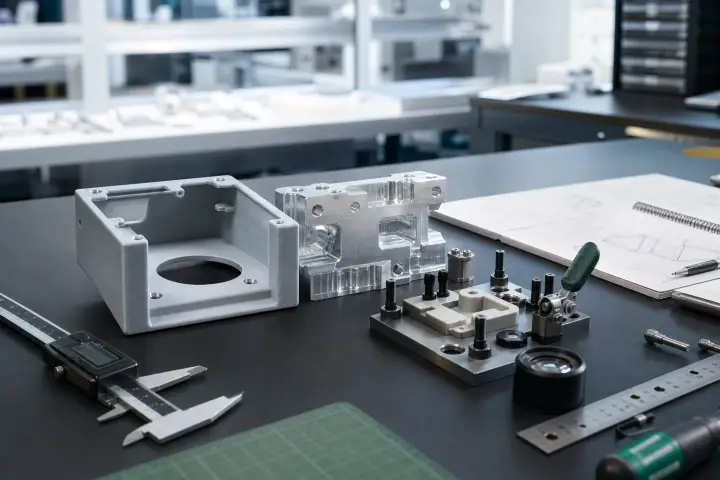
Choose the prototype route that proves fit, feel, function or production intent.
Request prototype path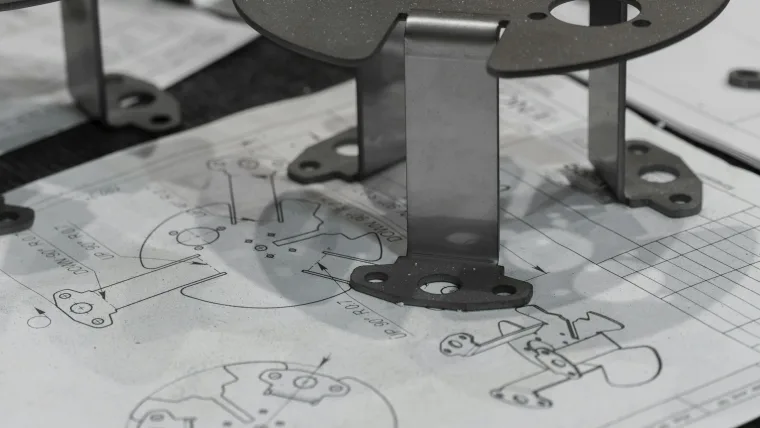
Find wall thickness, draft, ribs, bosses, material and quote-assumption risks early.
Request DFM review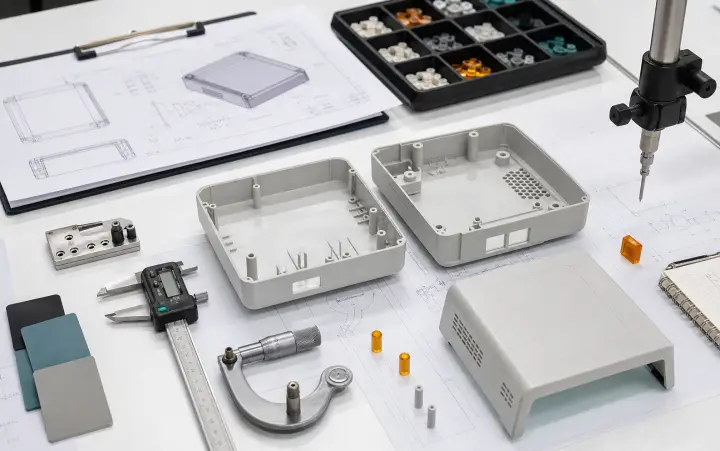
Turn sample defects, revision notes and pilot approval questions into clear gates.
Request sample reviewSerious teams need a clear handoff path before they share files or commit budget. The first review is designed to make the next decision visible.
A concise summary for teams comparing industrial design, prototype and production-readiness partners.
Hardware startups, product founders, product managers and sourcing teams that need a clearer path from idea or sample to production-ready decisions.
Industrial design, prototype planning, engineering-file support, DFM review, supplier sample review and manufacturing follow-through.
Share product type, current stage, target market and safe project context. Detailed files can wait until fit and NDA terms are clear.
Before you submit sketches, files or supplier context, the next step should feel controlled, private and practical.
You can start with product type, stage and safe context. Detailed product files, supplier details and confidential notes can wait until NDA terms are agreed.
IP assignment, editable-file ownership, manufacturing rights and usage limits should be written into the project agreement before deeper work starts.
The review goal is a practical development path: what to review, what to prepare and whether the next step should be design, prototype, DFM or supplier follow-through.
Project intake is structured for international teams while supplier, sample and production-follow-up questions can be handled close to the manufacturing base.
This page answers the concerns that block a serious inquiry: privacy, manufacturability, incomplete inputs and budget control.
Start with safe context first. NDA terms can be arranged before sensitive product files, supplier details or confidential notes are shared.
Design decisions are checked against structure, materials, assembly, prototype route and manufacturing constraints instead of stopping at appearance.
The first review can start from a sketch, reference product, rough brief or supplier sample issue. Complete engineering files are not required.
The reply recommends the smallest useful next step before larger spending on engineering, samples, tooling or pilot production.
This page leads with project materials instead of abstract claims: inputs, structure, prototypes and production-readiness checks.
Brief, references, constraints and current files are mapped before scope is recommended.
3D structure, assembly logic and exploded views make supplier handoff easier to review.
Sample route, fit checks and revision notes show what the next prototype should prove.
DFM notes, supplier questions and pilot gates reduce late surprises before tooling or launch.
Every stage creates a file, sample, checklist or decision that supports the next spend.
Product goal, target user, constraints, files and business target.
Form direction, CMF, use-flow and product experience decisions.
Mechanical structure, assembly logic, drawings and supplier handoff.
Sample route, inspection notes, fit/function checks and revisions.
Material, draft, wall thickness, tooling risk and supplier questions.
Sample approval gates, QC records and production follow-through.
A sample of case themes below. Cases lead with the project challenge, work shown and the next decision a similar hardware team needs to make.
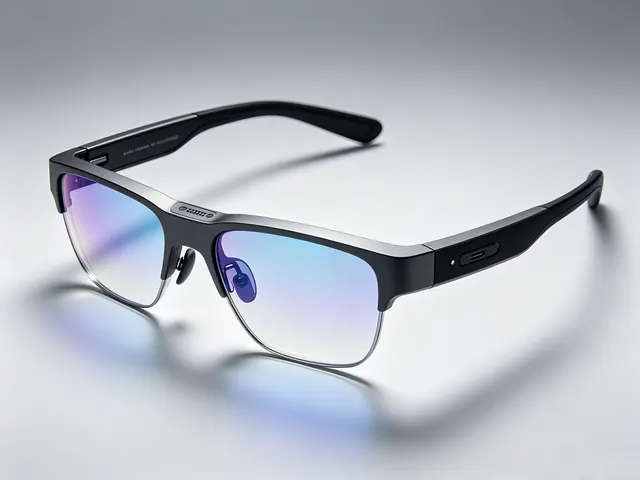
Challenge: Fitting a camera, battery, speaker and antenna into a slim temple could easily push weight, balance or heat into an uncomfortable range.
Work shown: Frame and temple architecture map for battery, PCB, speaker and camera placement.
View this case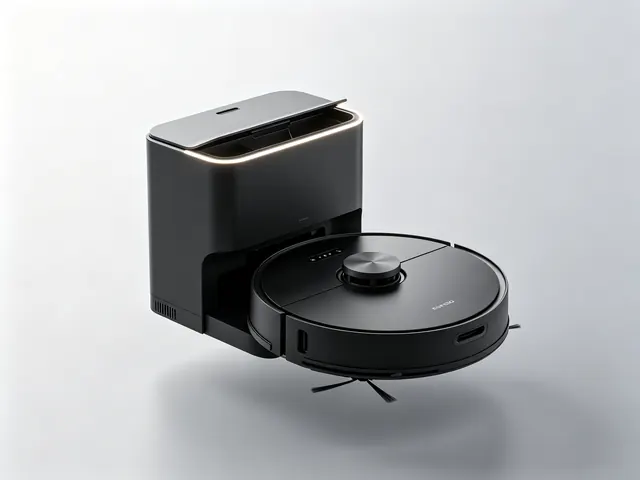
Challenge: A dock built purely around the blower and bag geometry could end up bulky, noisy-looking or hard to service.
Work shown: Dock architecture map for blower, dust bag, charging contacts and cable routing.
View this case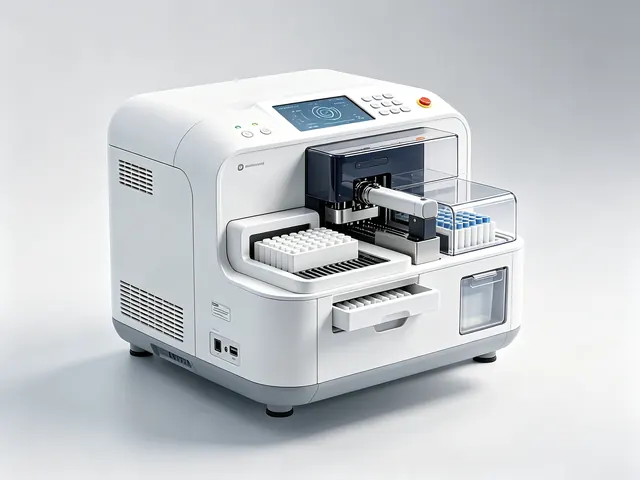
Challenge: A styling-first enclosure could complicate cleaning, service access, cable management or the validation work that follows.
Work shown: Instrument architecture map for fluidics, optics, touchscreen and service access.
View this case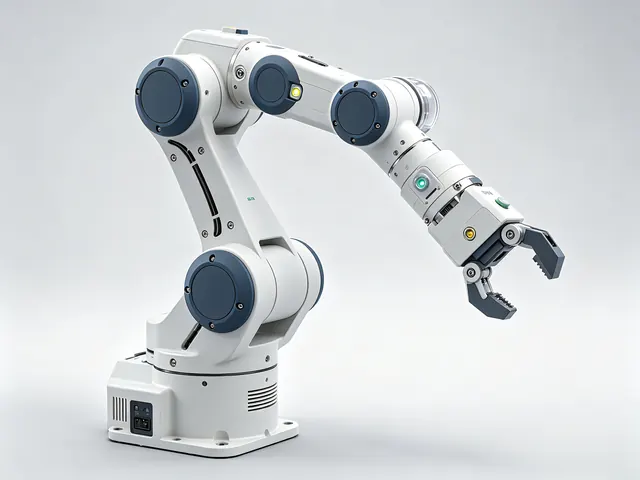
Challenge: Covers built only around motor housings could create pinch points, block cable routing or complicate joint maintenance.
Work shown: Arm and joint architecture map for motors, cabling, sensors and service access.
View this caseSend a short description of your product and current stage. We will reply with the next practical development path.
The offer is not only styling or sourcing. It connects industrial design, engineering files, prototypes, DFM and supplier follow-through.
Industrial DesignForm, proportion, use-flow and CMF direction that can move into engineering.
Engineering DesignProduction-minded mechanical structure for enclosures, assemblies and supplier handoff.
Prototype DevelopmentPrototype routes selected around the decision the team must prove next.
DFM ReviewManufacturing-readiness checks before tooling, quoting or pilot approval.
Supplier Follow-ThroughSample, revision and pilot tracking so design intent survives production.
FormReady keeps early-stage product decisions here, then sends CAD-ready plastic part work into the injection molding station for tooling, material and production review.
When enclosure geometry, wall thickness, ribs, bosses or part split need tooling feedback, move the project into ToolingPilot for mold design, DFM and T1 planning.
After CAD and tooling assumptions are clear, MoldRoute can review plastic material, production tooling, sample release and injection molding quantity fit.
Physical-product teams lose time and money when form, structure, prototype route, tooling assumptions and sample approval are treated separately.
For physical products, expensive problems usually appear between concept approval, engineering files, prototype samples, tooling quotes and pilot production. The workflow keeps those tradeoffs visible before the next spend.
You already chose a stage above. These are the same entry points organized by service instead, in case one fits better.
Clarify users, product requirements, constraints, cost targets and development risk before committing to detailed engineering or tooling.
Turn market, user and brand requirements into practical product concepts that can move into engineering.
Build production-minded mechanical structure around assembly, electronics, materials, tolerances, fasteners and manufacturing method.
Coordinate prototype routes such as 3D printing, CNC, silicone molding and functional sample testing.
Review designs for injection molding, CNC, sheet metal, electronics assembly, cost drivers and production risks.
Help coordinate supplier inputs, sample revisions, pilot runs and QC records so design intent survives production.
Most serious hardware projects combine more than one stage after the first review clarifies the next technical or commercial decision.
Best when the idea is clear enough to explore, but not ready for detailed engineering.
Best when form direction is approved and the next decision is prototype-ready structure.
Best when the team needs sample learning before pitching, testing or supplier quoting.
Best before tooling deposits, supplier lock or pilot approval.
These pages help you see whether we understand the product context. Detailed examples and outcomes live in the case studies.
Home, kitchen, lifestyle, outdoor and accessory products where form, usability, CMF and cost targets must work together.
Plastic housings, sensor products and connected devices where electronics, heat, assembly and appearance must align.
Handheld tools, fixtures, industrial housings and workshop products that need robust structures and practical production choices.
Non-medical wellness, grooming and personal-use products that need ergonomic, cleanable and manufacturable designs.
Display units, product kits, dispensers and branded hardware that connect product experience with physical presentation.
Benchtop diagnostic instruments, monitoring devices and non-invasive medical hardware that need cleanable, serviceable and clinically credible enclosures.
Collaborative robots, service robots and automation hardware where joint covers, cabling, sensors and factory-floor safety must work together.
Templates and checklists help your team prepare the product brief, 3D file package, prototype route, DFM review or supplier sample notes.
A practical intake checklist for product goal, users, constraints, current files and next development decision.
Prepare a better first reviewA pre-tooling checklist for draft, wall thickness, ribs, bosses, parting lines, materials and supplier quote assumptions.
Review files before toolingChoose whether the next sample should prove appearance, fit, ergonomics, function or production intent.
Plan the right sample routeWhat to include when sharing 3D models, drawings, exploded views, PCB outlines or supplier feedback.
Prepare files for reviewA practical approval checklist for finish, fit, ports, screw torque, packing, defects and revision control.
Review supplier samplesCost depends on complexity and stage, so it is scoped after the first review rather than published as a fixed price. These are the typical starting packages and how long each usually runs.
A 1-2 week review of product direction, risks, prototype path and development roadmap.
Industrial design concepts, CMF direction and presentation assets for the chosen route.
Engineering-file support, prototype coordination, sample checks and revision notes for physical validation.
DFM, supplier pack, pilot sample review and production follow-through support.
A focused FAQ removes early hesitation before you submit sketches, 3D files or project notes.
Yes. A feasibility sprint can turn rough notes, sketches or reference products into a clearer product brief and prototype path.
No fixed minimum. Many teams start with a Feasibility Sprint or Concept Design Package before committing to prototype, DFM or supplier follow-through.
We support DFM, supplier communication, sample tracking and pilot follow-through. Final production terms are confirmed per supplier path.
Send the product type, current stage and target market. We will reply with the next practical development path.